
Tips for Creating a Relaxing Home Office Environment
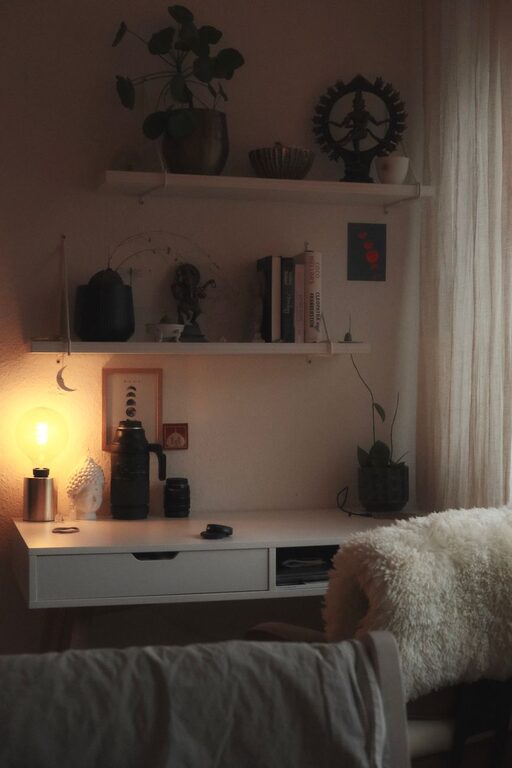
Creating a relaxing home office environment is essential for maintaining focus, reducing stress, and boosting productivity while working from home. Whether you’re new to remote work or looking to refresh your workspace, simple adjustments can make a big difference in how comfortable and effective your office feels. In this post, we’ll explore practical tips to help you design a calming and efficient home office.
Why a Relaxing Home Office Matters
Working from home offers many benefits, but it can also blur the lines between professional and personal life. Distractions, clutter, and poor lighting can disrupt your workflow and increase stress. Setting up a relaxing office space helps you maintain a better work-life balance and enhances your overall well-being.
Choose the Right Location
Finding the ideal spot in your home is the first step to creating a relaxing workspace.
Consider natural light
Try to position your desk near a window to take advantage of natural daylight. Sunlight can improve your mood and reduce eye strain.
Minimize noise distractions
Pick a quiet corner or a room with a door that can be closed to limit interruptions from family, roommates, or household activities.
Prioritize comfort
Make sure the space feels welcoming and is away from high-traffic areas to help you focus.
Invest in Ergonomic Furniture
Comfortable furniture is key to a relaxing environment.
– Ergonomic chair: Choose a chair that supports your lower back and promotes proper posture.
– Adjustable desk: Consider a desk that can be raised or lowered to alternate between sitting and standing.
– Monitor stands: Elevate your computer screen to eye level to avoid neck strain.
Good furniture helps prevent fatigue and discomfort during long work sessions.
Declutter and Organize
A clutter-free space can positively impact your mood and concentration.
– Keep only essentials on your desk: Limit items to what you need daily.
– Use storage solutions: Shelves, drawers, and organizers can keep supplies tidy and out of sight.
– Create a filing system: Manage important papers and reduce pile-ups.
Regularly tidying your workspace helps maintain a calm, focused environment.
Incorporate Soothing Colors and Decor
The colors and decor in your office can influence how relaxed you feel.
– Choose calming colors: Soft blues, greens, and neutrals are known to have a calming effect.
– Add plants: Indoor plants improve air quality and add a touch of nature, which can reduce stress.
– Display inspiring art: Personalize your space with artwork or photos that motivate and uplift you.
Keep decorations simple and meaningful to avoid visual clutter.
Control Lighting and Noise
Proper lighting and sound levels are crucial for comfort and productivity.
– Use layered lighting: Combine overhead lights with task lighting like desk lamps. Choose bulbs with adjustable brightness and warm tones for a cozy feel.
– Manage screen glare: Position monitors to avoid reflections from windows or lights.
– Reduce noise distractions: Use noise-canceling headphones or play soft background music if needed.
Creating a well-lit and quiet space supports concentration and reduces eye and ear strain.
Set Boundaries and Routine
A relaxing office environment goes beyond physical space—it also relates to how you manage your workday.
– Define your work hours: Set clear start and stop times to maintain balance.
– Create a pre-work ritual: Activities like stretching or making a cup of tea can prepare your mind for work.
– Take regular breaks: Step away from your desk to stretch, move, or rest your eyes.
Establishing boundaries and routines helps your brain associate the space with focused yet relaxed work.
Add Personal Comfort Touches
Small personal touches can make your office feel more inviting.
– Use cozy textiles: A soft rug, comfortable cushions, or a throw blanket can warm up the space.
– Scent your space: Pleasant scents like lavender or citrus from candles or diffusers may promote relaxation.
– Keep water and snacks nearby: Staying hydrated and energized helps maintain your comfort.
Personal comforts help you feel at ease and encourage you to spend time in your office.
Utilize Technology Wisely
Technology can either support or hinder a relaxing office environment.
– Keep cables organized: Use clips or sleeves to manage cords and prevent tangles.
– Limit notifications: Turn off non-essential alerts to minimize distractions.
– Use apps for focus: Tools like timers or focus apps can help you stay on track.
Smart technology habits contribute to a peaceful work atmosphere.
Final Thoughts
Creating a relaxing home office environment is an investment in your productivity and well-being. By paying attention to location, furniture, organization, lighting, and personal comfort, you can build a space that supports your best work in a calm and inviting way. Start small, make gradual improvements, and enjoy the benefits of a thoughtful home office setup.
Related Post
Tips for Creating a Cozy and Productive Home Office Space
Discover practical tips to design a home office that’s both comfortable and efficient, helping you [...]
Tips for Creating a Cozy and Productive Home Office Space
Learn how to design a comfortable and efficient home office that boosts creativity and productivity [...]

Tips for Creating a Cozy and Inviting Home Office Space
Discover practical tips to transform your home office into a cozy, inviting space that boosts [...]